
Comparison · 2026
Seedance 2.0 Mini vs Seedance 2.0: Which Fits Your Workflow?
ByteDance runs two production tiers: the cinema-grade Seedance 2.0 and the lightweight Seedance 2.0 Mini. The real question isn't which is better — it's which is better for what you actually do. This walks through 8 real-world scenarios, names the winner of each, and shows the real cost math.
TL;DR
- Pick Seedance 2.0 Mini for
- daily short-form (TikTok / Reels / Shorts), e-commerce product video, ad-creative A/B testing, anime / stylized content, and fast iteration.
- Pick Seedance 2.0 (Standard) for
- cinematic brand films, real-human spokesperson video, audio-driven content (music videos, ASMR, lip-sync ads), premium client deliverables, and complex multi-character storytelling.
- The best teams use both
- Mini for drafts and exploration, Standard for the hero shots that earn it.
At a Glance
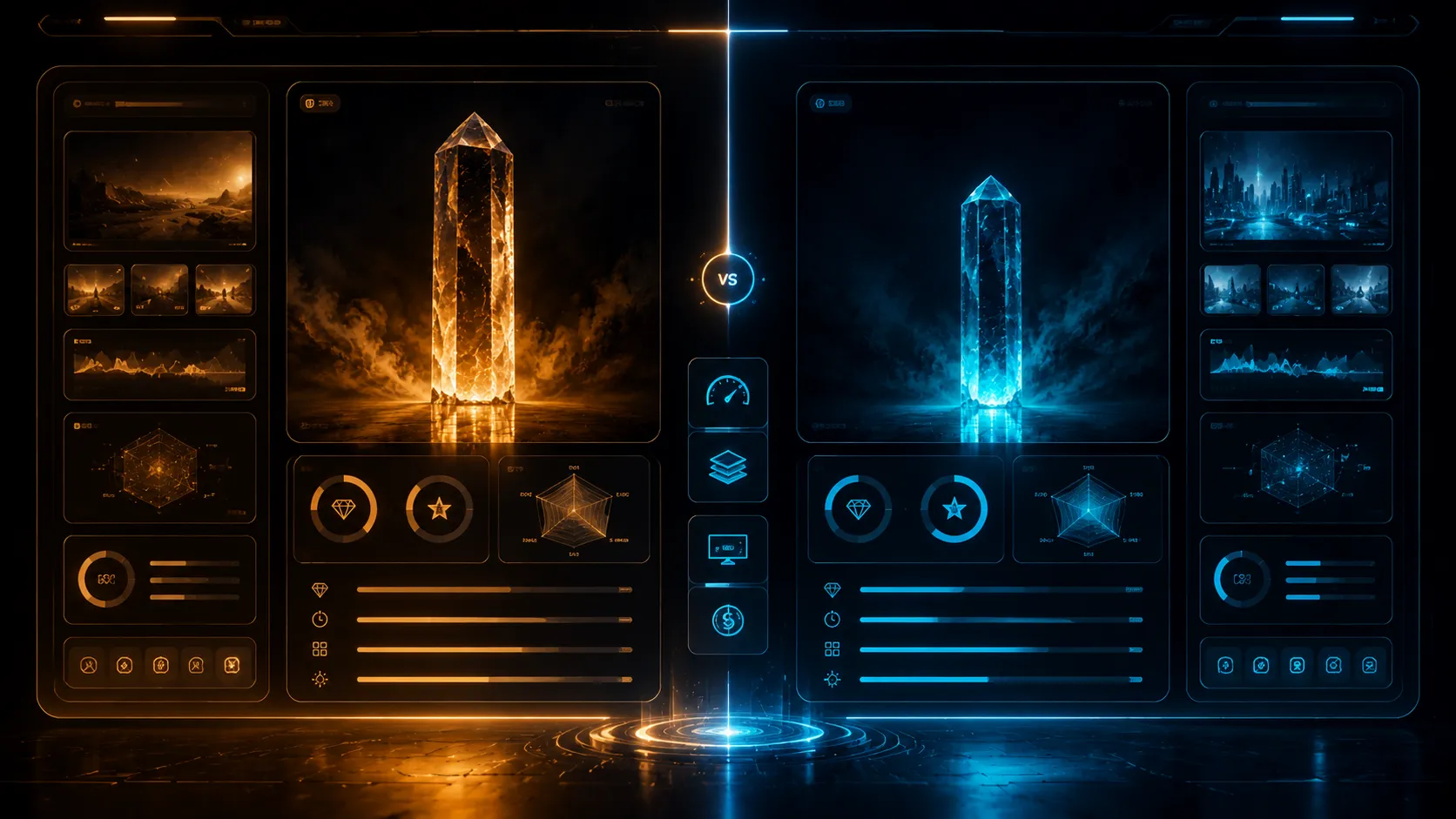
A few notes before the scenarios: Seedance 2.0 is more operator-sensitive — it rewards skilled users with reference-heavy prompts, so a casual prompt leaves performance on the table. Many Seedance 2.0 entry points also cap output at 720p even though the model supports up to 2K. Mini targets 480p/720p natively, while consumer surfaces (including this one) expose a 1080p Standard tier built on top of it.
8 Scenarios, One Winner Each
Daily short-form video
TikTok, Reels, YouTube Shorts
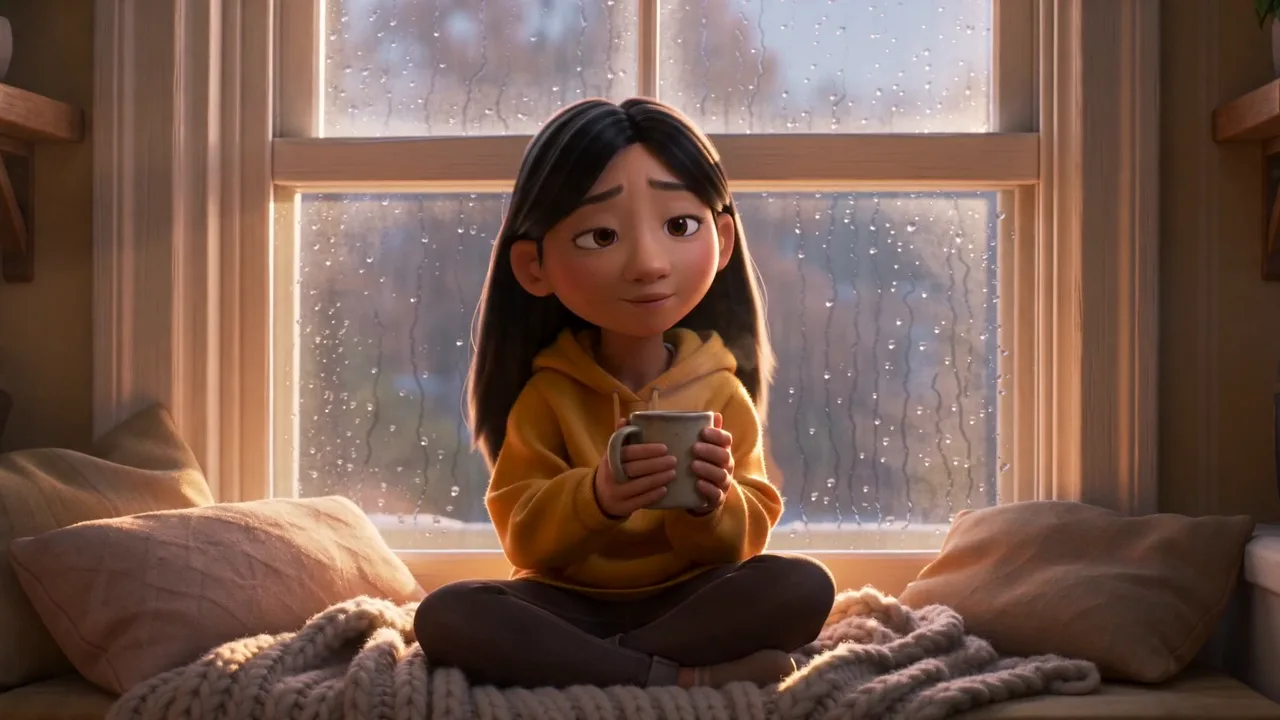
Vertical short-form is the textbook case Mini was built for. Cost-per-attempt drops ~50%, and short-form creators run 3–10 attempts per finished clip — that experimentation stays sustainable at Mini's rate. 720p also looks near-identical to 1080p on a phone, and Mini's ~2× faster generation closes the concept-to-published loop in minutes.
Want Standard? Only for a hero-launch piece that will be repurposed to billboards, OOH, or premium placements where larger screens matter.
E-commerce product video
Amazon, Shopify, TikTok Shop, DTC ads
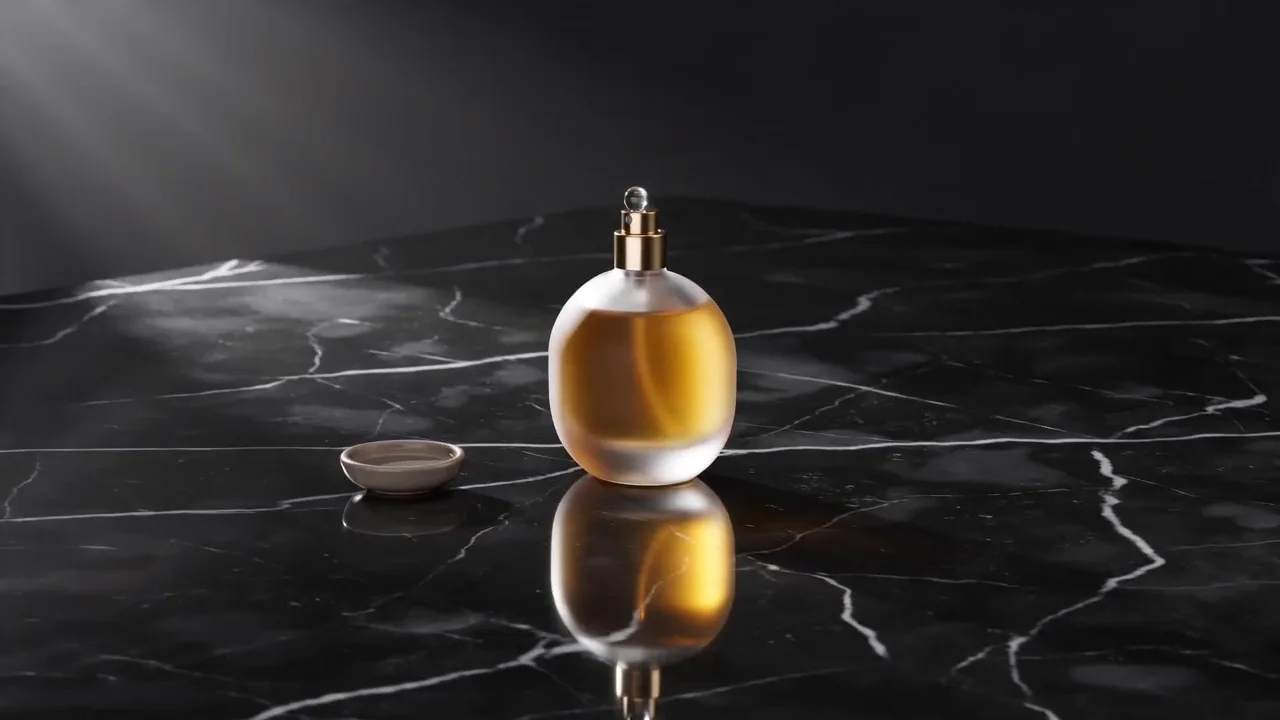
E-commerce is mostly 5–10 second product loops with simple motion — rotation, push-in, top-down, lifestyle context. A seller with 50 SKUs at ~3 attempts each is 150 generations; on Mini that's a fraction of the Standard cost. Product video doesn't need the complex physics or audio orchestration Standard is built for, and Mini's stability on clean, structured shots is strong.
Want Standard? For flagship campaigns — brand launches, seasonal hero films, homepage or paid pre-roll. Premium placement justifies premium rendering.
Cinematic / brand films
Branded shorts, agency creative, festival work
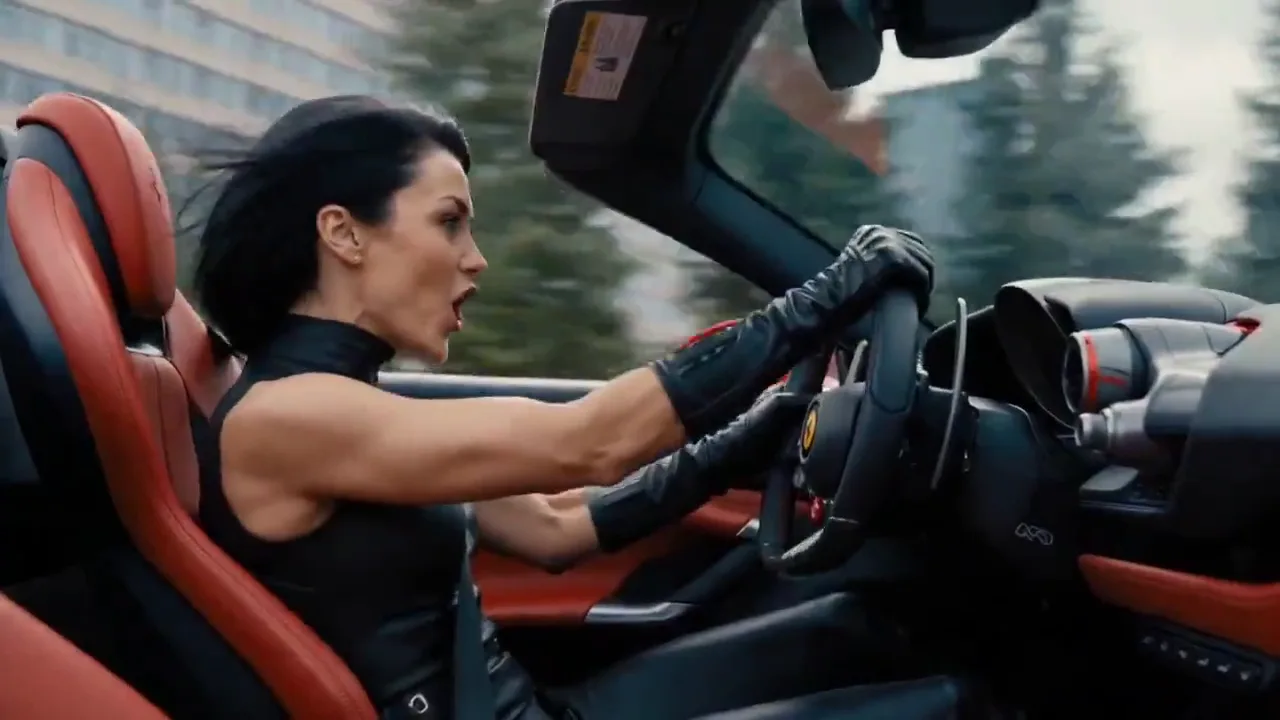
Squarely Standard's home turf, where Mini is deliberately not designed to compete. Physics realism is a real differentiator — hands-on reviews note characters with a sense of weight and gravity many models lack. Premium delivery demands at least 1080p with some 2K; brand films need synced soundtracks and voiceover, which Standard's two-channel stereo handles in a single pass; and its narrative planner sustains character and lighting consistency across cuts.
Want Mini? For pre-visualization — test 5–10 directions cheap on Mini, then commit budget to Standard for the keepers. That hybrid is now the most cost-effective production pattern.
Multi-shot narrative storytelling
Mini-films, character-driven shorts, sequential cuts
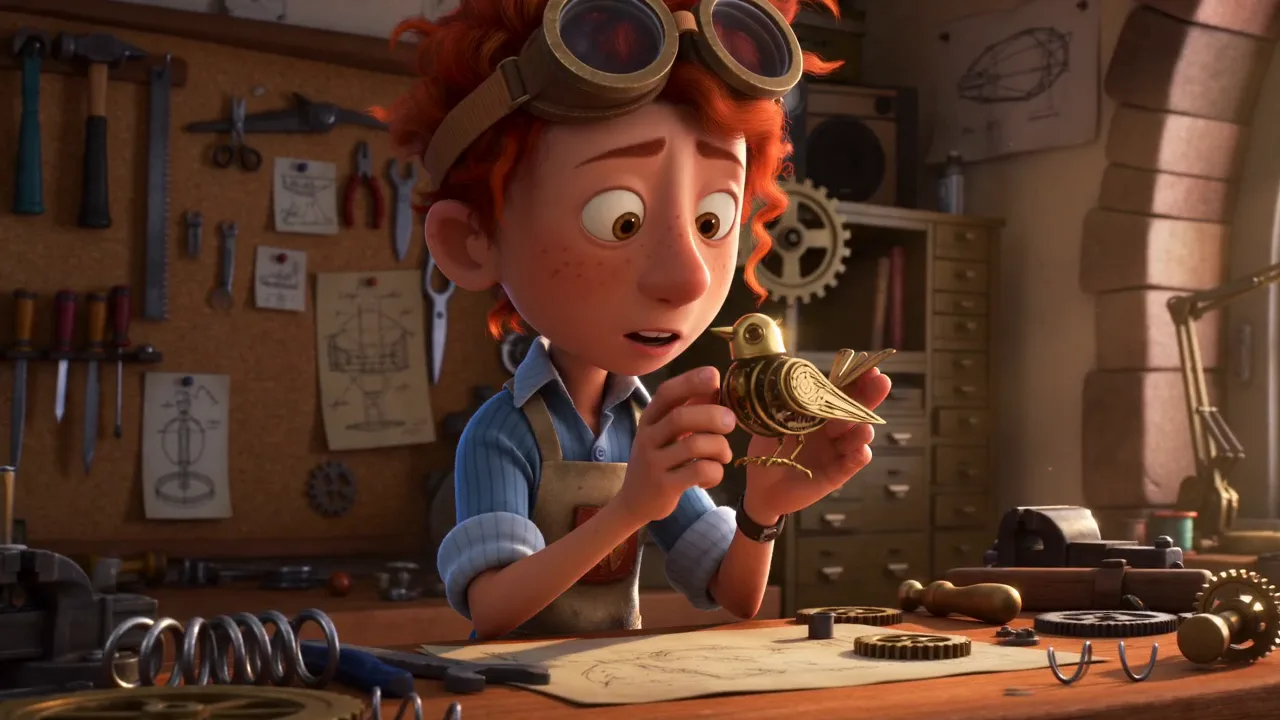
Both models do multi-shot — the difference is reliability across cuts. Standard's narrative planner builds an internal storyboard that preserves face, clothing, and lighting; it accepts 15 reference assets vs Mini's 12; and character consistency holds longer as cut count rises. Mini still does shorter, simpler narratives well (a 3-cut product story, a single-subject 12-second piece) — drift only gets severe at 5+ cuts with multi-character framing.
Hybrid: storyboard the cuts on Mini to lock the visual direction, then re-generate the keeper sequences on Standard with the same prompt and references for the final cut.
Marketing creative A/B testing
Performance marketing, 10–30 ad variants
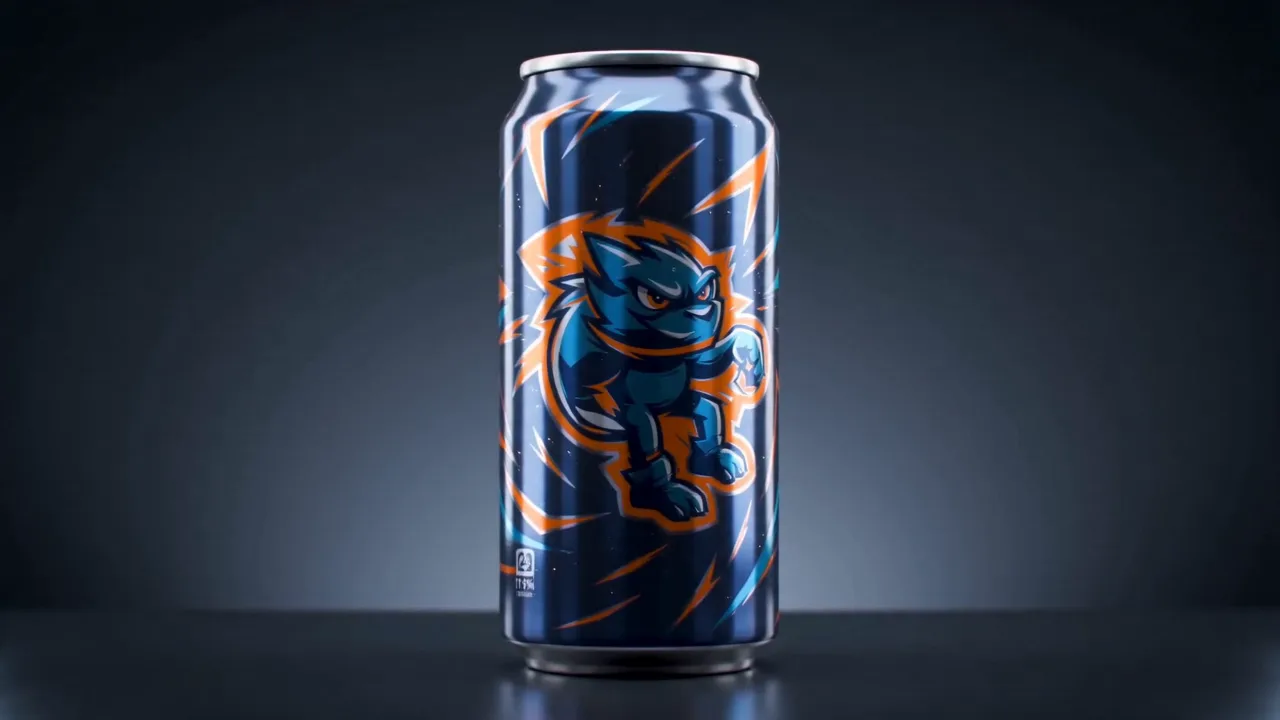
This is where Mini's economics aren't just better — they're transformative. Performance marketing lives on iteration velocity and cost-per-test. A marketer testing 20 variants on Standard might burn the monthly creative budget in the first round; on Mini the same budget runs 40+ variants with credits left for follow-ups. Shorter generation time also matters when you're feeding a Meta or TikTok algorithm — hours-to-deploy beats days.
Want Standard? Once you've identified a winner and want to upgrade it to a hero-quality version for sustained brand-channel use. Test on Mini, scale the winner on Standard.
Sound-driven content
Music videos, ASMR, lip-sync ads
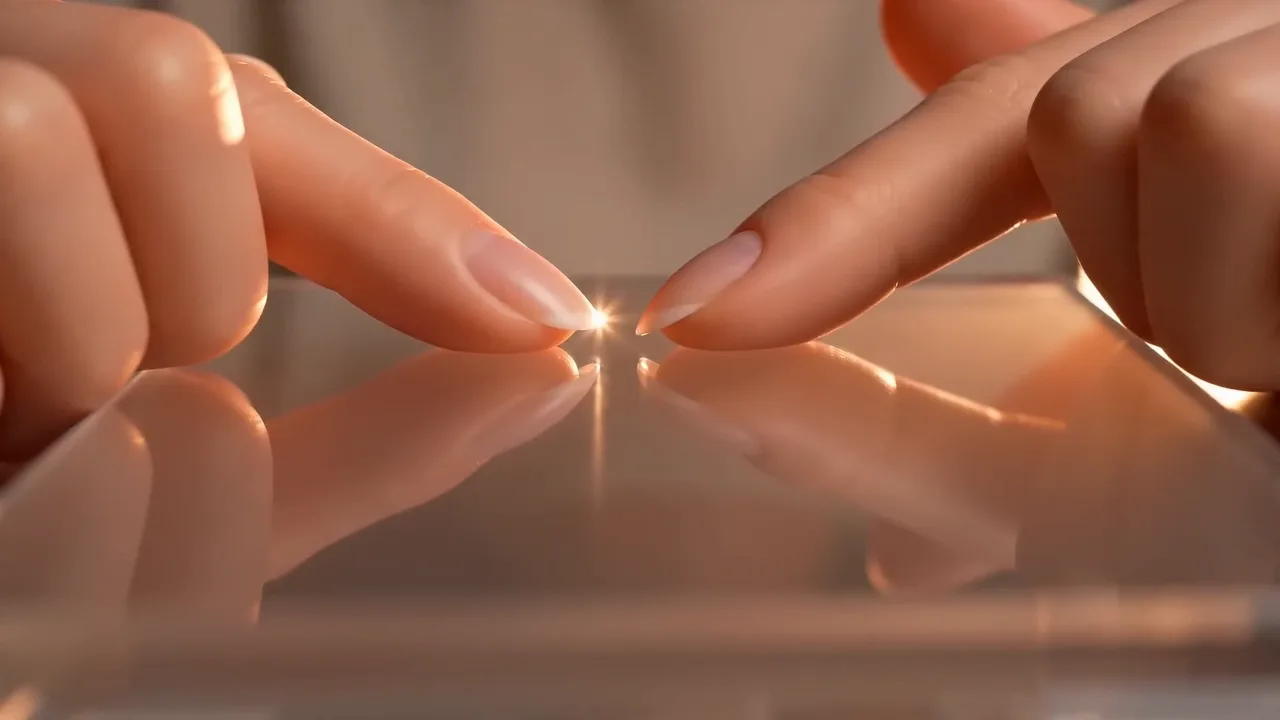
Audio is one of Standard's deepest differentiators: two-channel stereo, multi-track parallel output for music + ambience + voiceover sync'd to visual rhythm, and built-in lip-sync across 8+ languages. For workflows where audio sync is the point — a music video where every drop lands on a beat, a lip-sync ad matching a specific voice — Standard is the safer pick. Mini inherits these at a lower fidelity tier.
Want Mini? For silent or background-music-only content where audio is added in post (TikTok overlay, Instagram trending audio), Mini's output is perfectly fine and its lower cost-per-attempt wins.
Anime, stylized 2D, illustration
Ghibli-style, stylized 3D, manga adaptations

This flips the conventional wisdom. The very things Mini sacrifices relative to Standard — extreme detail, micro-texture, photoreal lighting — aren't part of a stylized deliverable. Animation styles also forgive minor inconsistencies that would read as a glitch in photorealistic video, and stylized creators tend to be solo or small teams producing volume, where Mini's cost-per-attempt structure is much friendlier. In our hands-on tests, stylized content came closest to Standard quality at a fraction of the cost.
See the full Seedance 2.0 Mini review for the stylized-content tests in detail.
Want Standard? For high-fidelity Pixar-grade 3D where surface materials, subsurface scattering, and dramatic lighting need to be cinematic-grade.
Real human face / spokesperson
Face-led ads, talking-head, brand creator video
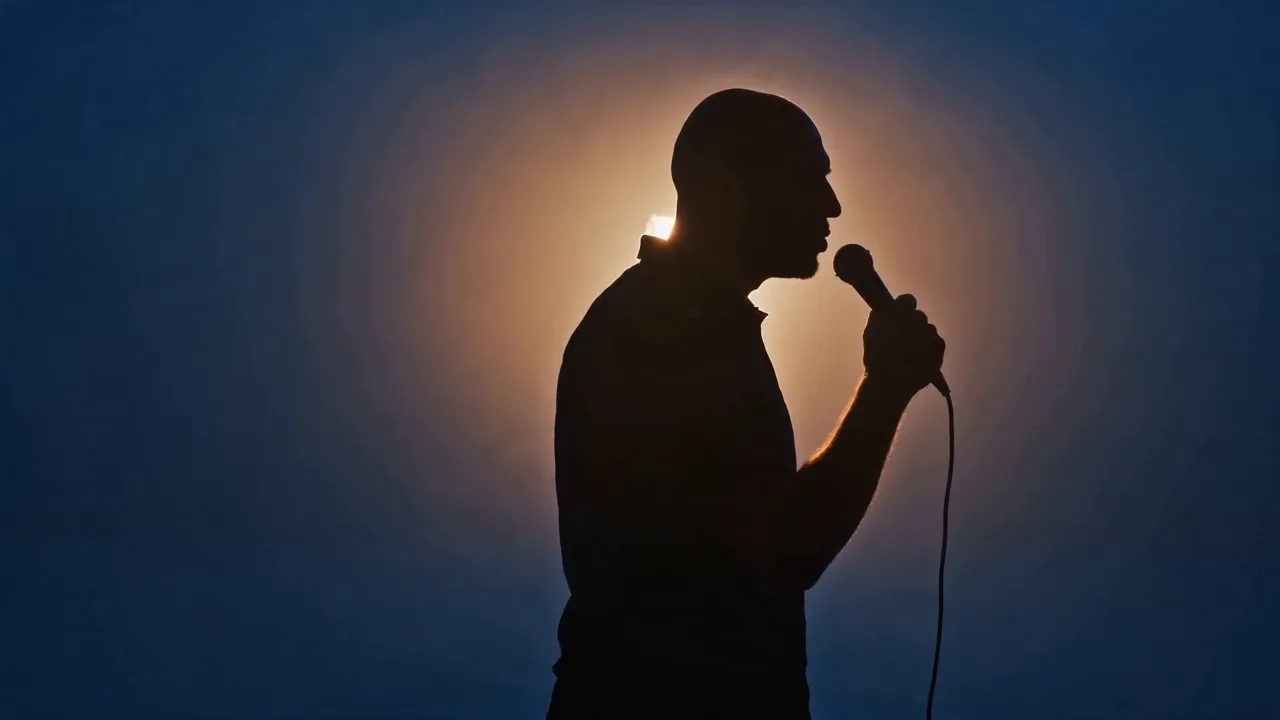
This is where the gap is widest and Mini explicitly does not compete. Seedance 2.0 originally launched with strict moderation around realistic faces; as of April 2026 those restrictions were lifted and Standard now fully supports real human video — portrait-reference face-led ads, lifelike micro-expressions, realistic full-body motion, and multi-language lip-synced dialogue. Mini does not support real human face references; that capability is flagship-tier only.
⚠️ Legal heads-up: real-human portrait references now require identity verification or prior legal authorization (after early celebrity-deepfake cease-and-desist waves). Use it with explicit licensing for commercial work, or stick to AI-generated or properly licensed subjects.
The Real Cost Comparison
Theory is one thing; credit math is another. Using the published per-second rates on this site (text-to-video or image-to-video, no reference video), here is what each tier costs — and an 8-second clip for reference:
The practical implication: Mini's 720p attempt is well under half the cost of a Standard 1080p attempt, and even resolution-for-resolution Mini comes in cheaper. For high-volume workflows (scenarios 1, 2, 5, 7), that doesn't just save money — it makes iteration patterns economically possible that aren't viable on Standard. Credits never expire, and new accounts get 20 free credits; full rates and packs are on Seedance 2.0 Mini pricing.
Decision Tree
Walk these six questions in order and stop at the first one you answer “yes” to — that's your model. Answered “no” to all six? Default to Mini, the highest cost-efficiency choice for general-purpose use.
The Hybrid Workflow Most Teams Should Adopt
For most teams the smartest answer isn't one model — it's both, in sequence. This pattern roughly inverts the old “render everything on the flagship” approach and reports 40–60% lower total credit spend with no quality loss on final deliverables.
Phase 1 — Mini for exploration (~90% of credits)
Run prompt and reference exploration on Mini at 720p. Test multiple visual directions, camera moves, and character designs. Iterate freely because each attempt is cheap and fast, and make creative decisions while burn rate stays low.
Phase 2 — Standard for execution (~10%, all the polish)
Once a direction is locked, regenerate the keeper shots on Seedance 2.0 using the same prompt and reference set — for the 1080p/2K render, stereo audio, and physics realism. Final pieces get flagship output, but only the pieces that earned it.
Strengths & Weaknesses, Side by Side
Seedance 2.0 Standard wins on
- Physics realism and motion stability (industry-leading per ByteDance's SeedVideoBench-2.0)
- Native two-channel stereo audio + multi-track output
- Built-in lip-sync across 8+ languages
- Real human face generation (post-April 2026)
- Multi-character interactions
- Resolution ceiling up to 1080p/2K depending on platform
- 15-reference input budget (vs Mini's 12)
- Multi-shot reliability across 4+ cuts
Seedance 2.0 Mini wins on
- Cost per attempt (~50% of Standard)
- Generation speed (~2× faster than Seedance 2.0 Fast)
- Iteration headroom — more attempts per budget
- Stylized / animated content stability
- Onboarding ease — less operator-sensitive than Standard
- Cost predictability — credits never expire
- Daily-volume workflows
- Best fit for vertical / mobile delivery
Common Questions About Seedance 2.0 vs Mini
- Are Seedance 2.0 and Seedance 2.0 Mini the same model?
- They share the same underlying architecture — a unified multimodal audio-video diffusion transformer — but with different compute envelopes. Mini is a lightweight tier of the same family, not a separate model, which is why it keeps the core capabilities (multimodal references, multi-shot storytelling, prompt fidelity) at lower resolution, partial audio, and lower per-clip cost.
- Is Seedance 2.0 Mini just "Seedance 2.0 Fast" with a new name?
- No. ByteDance's data shows Mini runs ~2× faster than Seedance 2.0 Fast with slightly better motion stability. Mini effectively obsoletes Fast for most everyday use; Fast now sits in an awkward middle position.
- Does Seedance 2.0 Mini have all the same features?
- Mostly, with caveats. Mini inherits multimodal references (12 instead of 15), multi-shot storytelling, multi-modal inputs (text + image + video + audio), and 4–15 second output. It has reduced support for native audio, lip-sync, and video editing (V2V), and no native real human face references.
- Why is Seedance 2.0 still called "720p" in some reviews if the docs say up to 2K?
- Both can be true. The underlying model supports up to 2K, but most consumer entry points (fal.ai, early Replicate, early Dreamina) capped output at 720p at launch. Some platforms now expose higher resolutions; earlier reviews predate those rollouts.
- How much can I actually save by using Mini instead of Standard?
- At base rates, roughly 30% on standard credit billing. Combined with pay-as-you-go credit packs that never expire, the per-clip cost can drop to about a quarter of Standard pricing at 720p, or roughly half at 1080p.
- Can I switch between Seedance 2.0 and Mini in the same project?
- Yes — and this is the recommended workflow. Use Mini for storyboard and exploration, then re-generate locked-in shots on Standard for the final cut. The same prompt and reference assets work on both tiers, so the transition is seamless.
- Which one is "better"?
- Neither, in any absolute sense. Standard is better at producing top-end quality; Mini is better at producing usable video efficiently at scale. Match the model to the job, not the other way around.
- If I'm a solo creator, which one should I pick?
- Almost certainly Mini as your default. Solo creators rarely have the budget or output cadence to justify Standard's per-clip cost across daily work; most use Mini as their daily driver and reserve Standard for portfolio pieces.
- If I'm a brand or agency, which one should I pick?
- Both. Use Mini to explore creative directions cheaply and Standard to execute the locked-in winners. This is the most cost-efficient production pattern in the current AI video market and roughly halves total spend without quality loss on the final deliverables.
- Will Seedance 2.5 change the answer?
- Possibly. ByteDance unveiled Seedance 2.5 in mid-June 2026, extending duration to 30 seconds and up to 50 reference inputs. As it rolls out the family will likely re-tier — but Mini's economic position (the cheap iteration tier) is exactly the role that survives across generations.
Final Recommendation

Use Seedance 2.0 Mini as your default daily driver for short-form, e-commerce, ad testing, stylized content, and any high-volume iterative work. Use Seedance 2.0 Standard for hero deliverables — cinematic brand films, real-human spokesperson video, audio-sync-critical content, and premium placements. Hybrid is the optimal workflow: explore on Mini, execute on Standard. That roughly halves total spend without sacrificing the pieces that actually ship.
Mini and Standard aren't competitors — they're complementary tiers in the same production pipeline. Teams that adopt that perspective get the highest ROI from the Seedance 2.0 family.
Start with Mini
Generate your first clip free
New accounts get 20 free credits — no card required. Explore on Mini, then scale the keepers on Standard.