
Comparison · 2026
Seedance 2.0 Mini vs Kling 3.0: An 8-Round Showdown
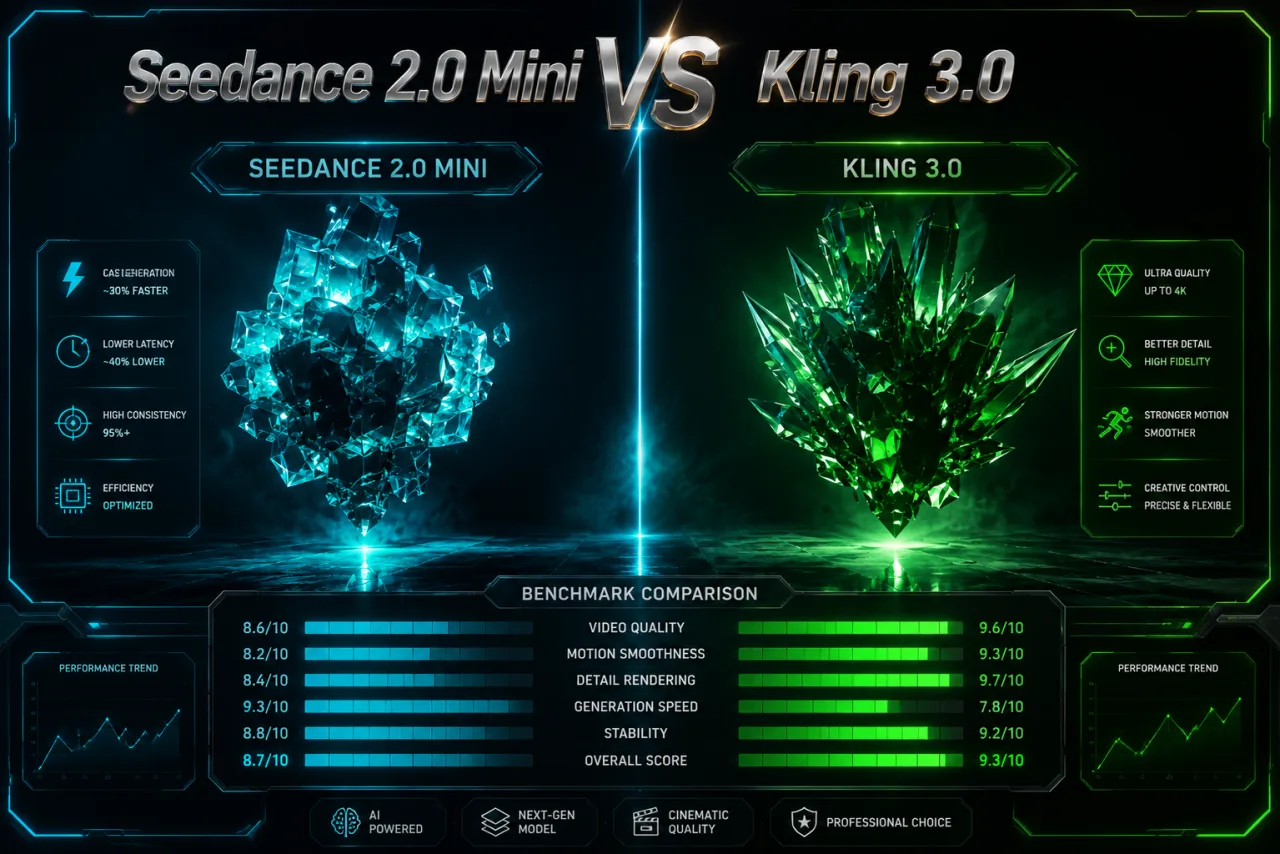
Two models split the 2026 AI-video market. Kling 3.0 (Kuaishou) brings industry-best motion physics, native multilingual lip-sync, and a 4K tier; Seedance 2.0 Mini (ByteDance) counters with the deepest multimodal reference system on the market and pricing that generates roughly 4× more for the same budget. Instead of another “it depends” feature table, we settle it as a head-to-head across 8 production scenarios — each with a clear winner, a verifiable reason, and a running scorecard. Final tally: Mini 5, Kling 3.
TL;DR
- Pick Seedance 2.0 Mini for
- daily short-form (TikTok / Reels / Shorts), multi-shot narrative, ad-creative A/B testing, anime / stylized content, and most general-purpose work — Rounds 1, 4, 5, and 7.
- Pick Kling 3.0 for
- on-screen brand text, premium cinematic and 4K deliverables, multilingual lip-sync, and realistic human motion — Rounds 2, 3, 6, and 8.
- Most teams use both
- explore on Mini (~80% of generations), then execute the hero shots that earn it on Kling. Teams report 40–60% lower total cost with no quality loss on finals.
The Tale of the Tape
Two things to call out before Round 1. First, the reference gap is the entire fight: Mini accepts 12 mixed-modality references (6 images + 3 videos + 3 audio); Kling accepts 1–2 images. That single architectural difference decides four of the eight rounds. Second, Kling 3.0's 4K is real but locked behind the $59.99/month Ultra tier — most users compare 1080p vs 1080p, where the visual gap narrows substantially. Figures here are cross-referenced from official ByteDance and Kuaishou documentation, Replicate's Kling v3 model card, and independent benchmarks from Curious Refuge Labs and Atlas Cloud.
8 Rounds, One Winner Each
Daily short-form video
TikTok, Reels, YouTube Shorts — 30+ pieces a month

Short-form is iteration-heavy by nature: a creator runs 3–10 attempts per finished clip. At Kling 3.0 Pro's $0.168/sec, an 8-second attempt costs $1.34 and a 5-attempt cycle burns $6.72 — Seedance 2.0 Mini drops that to a fraction. Mini also generates roughly 2× faster (reviewers clocked Kling 3.0 Pro at 3+ minutes per render, an hour of waiting to test six prompt variations), and the 1080p-vs-720p gap collapses on a vertical phone screen. Twelve reference slots let you hold a consistent character or brand look across a whole content week — hard on Kling's 1–2 image budget.
Kling 3.0 takes it back if your short-form depends on on-screen brand text — see Round 2 for why that flips the math.
E-commerce with readable brand text
Product video where labels must stay legible
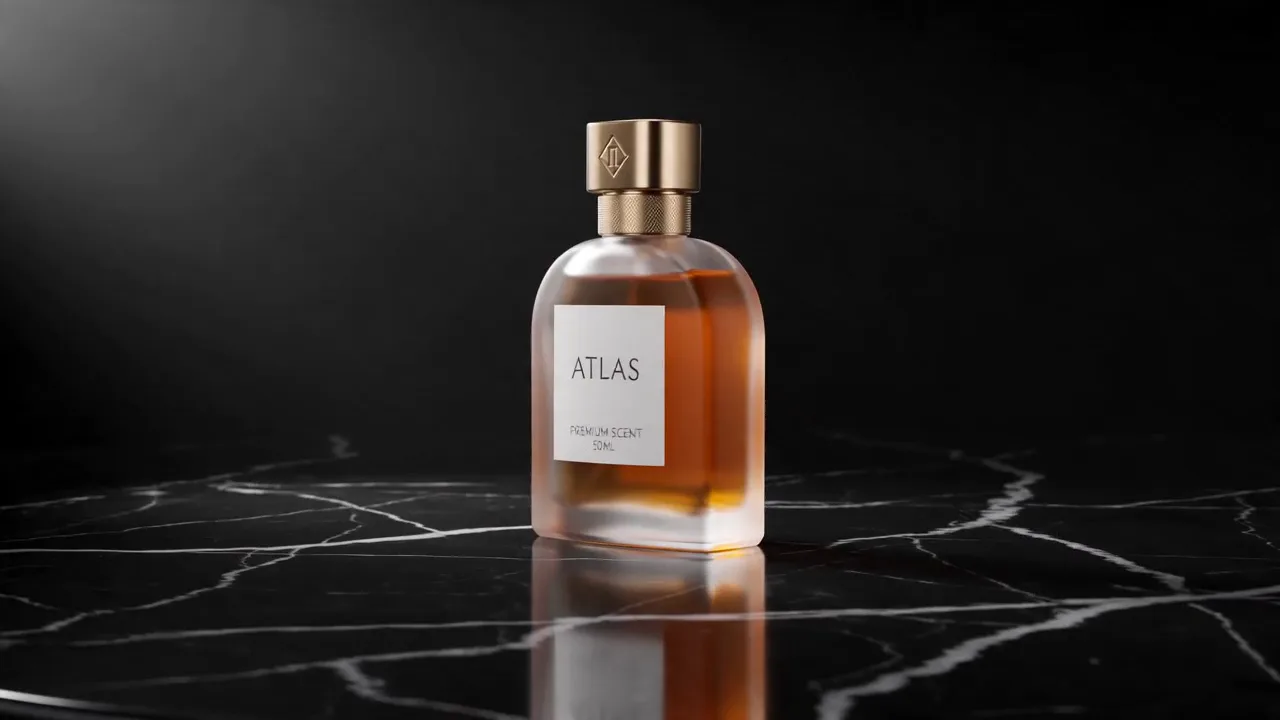
Kling lands this one cleanly. Independent testing put roughly 80% of Kling generations preserving readable on-screen text — not a marketing claim but a structural advantage it's engineered around, with the best text rendering in the category. It matters when a skincare bottle has to keep “ATLAS” sharp across 8 seconds of rotation, a logo can't morph mid-spin, or a supplement label must hold “100% NATURAL” through the entire spin. Equivalent Mini-tier output shows letter smearing, brand-stroke warping, and edge softening that needs post-production to fix.
Mini takes it back if your product videos use no on-screen text — generic product shots, lifestyle context, B-roll. The cost advantage returns the moment text isn't the centerpiece.
Cinematic brand films
Agency creative, premium ad campaigns, festival work

Premium delivery is where Kling 3.0's advantages compound: 4K Ultra at 60fps for top-tier deliverables, an 8.26/10 overall in Curious Refuge Labs benchmarks with motion peaks reviewers called “unbeatable for realistic, photographic footage.” That said, cinematic work is iteration-heavy, and Kling Pro's per-second cost makes 50-iteration exploration painful. The pattern most agencies quietly adopted: explore on Mini, execute on Kling. Load your mood board, character refs, location refs, and music track into Mini's 12-reference system to lock the creative direction cheaply, then commit budget to Kling 3.0 for the final hero shots.
Mini takes it back for web-first or social-first projects, where 1080p is enough and cost-per-iteration matters more than absolute fidelity.
Multi-shot narrative
Character-driven shorts, sequential cuts, a continuous world

Mini takes this on architecture, not technique. Multi-shot narrative needs character, object, and location consistency across cuts. Kling 3.0 offers “Elements” (1–2 reference images) plus a 6-shot multi-shot mode — strong, but only when the whole visual brief fits inside 1–2 images. Seedance 2.0 Mini inherits the full 12-reference system: 6 images + 3 videos + 3 audio. A character-driven short can carry the character's face, three outfit angles, a walking-style video reference, a location reference, and an audio mood track — and still leave slots free. Benchmarks flagged Kling's temporal consistency dropping to 3.0–6.0/10 on flat 2D content with “no high-detail anchor.” Reference depth is the structural fix, and Mini has 6× more of it.
Kling takes it back if your narrative is short, simple, and fits cleanly inside 1–2 reference images — and if motion realism trumps continuity across cuts.
High-volume creative A/B testing
Performance marketing — 10–30 ad variants, kill losers, scale winners
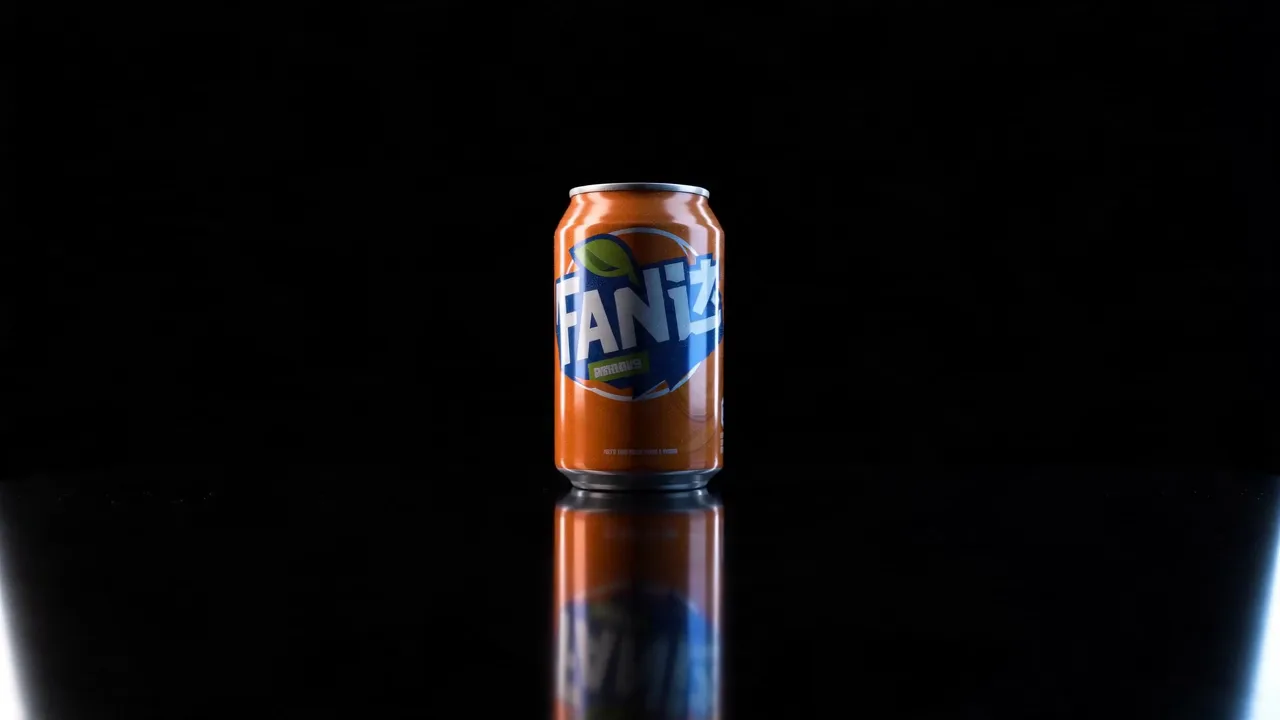
Mini takes this in a knockout. A creative team running 4 rounds of 20 variants a month spends roughly $32 on Mini versus about $54 on Kling Standard and $108 on Kling Pro — and for agencies running multi-client testing, that annualizes into thousands of dollars of difference. Mini also wins on stylistic consistency across variants: 12 references lock a brand aesthetic across all 20 attempts, where Kling's 1–2 reference budget makes batch-level brand identity harder to sustain. This isn't a close round — the cost gap structurally favors Mini for any iteration-heavy workflow.
Kling takes it back when the winning variant needs upgrading to 4K for premium placement. Test on Mini, scale the winner on Kling — that's the hybrid pattern.
Sound-driven & multilingual content
Music videos, ASMR, lip-synced ads, multilingual creative

Kling lands this with native ability Mini doesn't have. Kling 3.0 generates dialogue and scene-aware sound effects in the same pass as video, with native lip-sync across English, Chinese, Japanese, Korean, and Spanish — no separate audio file needed, and reviewers singled out its Spanish lip-sync precision. Seedance Mini's audio is partial: the deep stereo and multi-track capabilities sit in Seedance 2.0 Standard, not Mini. For Mini specifically, this is the largest single capability gap versus Kling.
Mini takes it back when audio is added in post anyway — TikTok overlay music, trending Reels audio, voiceover in the edit. One caveat on Kling: its own docs note lip-sync “works best in English and Chinese,” so expect quality variance in other languages.
Stylized, anime, and 2D animation
Ghibli-inspired clips, illustrated characters, manga adaptations

Mini takes this — and the benchmark data backs it explicitly. Curious Refuge Labs found Kling 3.0's temporal consistency “collapsed into the 3.0–6.0 range” on 2D animation, well below its 8.11/10 average, because 2D lacks the high-detail anchors its physics-first model relies on. Stylization forgives the minor inconsistencies that would read as a glitch in photoreal footage; Mini's iteration economics make solo anime work practical; and stylized creators often have rich style guides and character refs — Mini accepts all of it, where Kling takes 1–2 images. One reviewer put it plainly: Kling 3.0 “struggles a bit with visuals that are more design-heavy or illustration-based.” This is the rare round where Mini's lighter rendering is actively beneficial, not just cheaper.
See the full Seedance 2.0 Mini review for the stylized-content tests in detail.
Kling takes it back for high-end Pixar-style 3D where photoreal material rendering matters more than 2D animation aesthetics — a different category.
Realistic human motion
Action, sports, dance, walking/running cycles, fight scenes
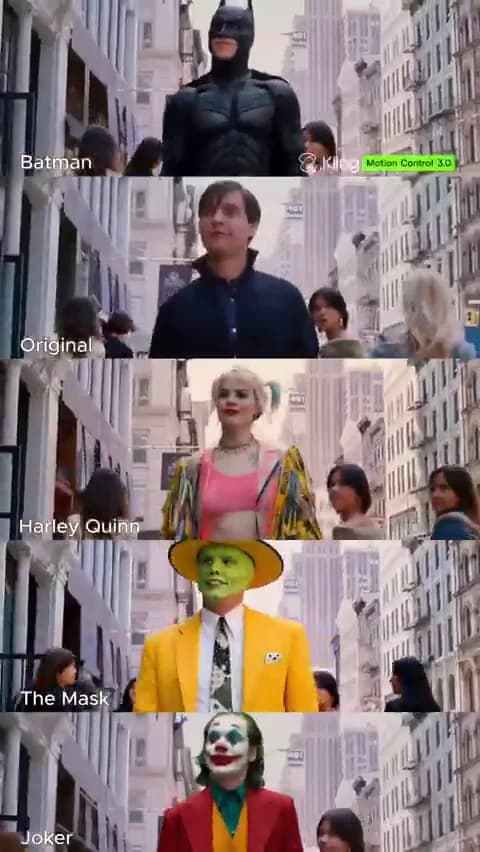
Kling closes the fight with its signature move. Its physics-first architecture pays off most clearly here: Curious Refuge Labs scored Motion Quality at 8.0/10 with visual-fidelity peaks of 10/10 on well-anchored shots, and reviewers called its beach-walk test “weighted, natural, and fluid,” explicitly contrasted against older Kling versions that felt “floaty.” Punches carry weight, ponytails whip with proper inertia, footwork reads as athletic, and two-person choreography handles collision and contact friction. Seedance Mini's motion is competent — especially in stylized contexts — but it isn't engineered for photoreal physics, and the 8.0/10 ceiling Kling hits here is a fidelity tier Mini doesn't target.
Mini takes it back when the motion is stylized — cartoon characters, anime fight scenes — where stylization is the point and photorealism would be off-brand. Mini still leads the card 5–3.
The Cost Gap, in Plain Numbers
Theory is one thing; the credit math is another. Kling's per-second rates are public; Mini's position is consistently cheaper across every comparable tier. Approximate figures below — Kling rates from its published pricing, monthly estimate based on a 20-variant test at 8 seconds each:
The practical implication: for any iteration-heavy workflow (Rounds 1, 4, 5, 7), Mini's cost structure doesn't just save money — it makes testing patterns economically possible that aren't viable on a flagship tier. Credits never expire, and new accounts get 20 free credits; full rates and packs are on Seedance 2.0 Mini pricing.
Reading the Scorecard
Final tally: Mini wins 5 rounds, Kling wins 3. But the raw score doesn't translate to “Mini is better for you” — it means Mini wins more kinds of work. The right question is which rounds map to your workflow.
The Mini vs Kling Decision Tree
Walk these six questions in order and stop at the first one you answer “yes” to — that's your model. Answered “no” to all six? Default to Seedance 2.0 Mini, the highest cost-efficiency choice for general-purpose use.
The Hybrid Workflow Most Teams Adopt
The pattern dominant production teams have settled on isn't “pick a model” — it's “pick a phase.” Teams that adopt it spend 70–80% of their generation budget on Mini's exploration phase, applying the Kling premium only to the small set of final renders that earn it.
Phase 1 — Exploration on Mini (~80% of generations)
Use Mini's 12-reference system to lock visual direction, iterate cheaply across 10–30 attempts, and make every creative decision while cost stays minimal. Each attempt is cheap and fast, so exploration never stalls on budget.
Phase 2 — Execution on Kling 3.0 (~20% of generations)
For the two or three keeper shots that need premium delivery, re-render specifically on Kling: hero product shots requiring brand text, action sequences requiring physics, and 4K Ultra final deliverables. The flagship premium only applies to the renders that earn it.
Free Tiers: Who Wins the Walk-In?
Kling 3.0 free tier
66 credits/day, no credit card, refreshing every 24 hours — about 3–6 short videos a day. The catch: 720p only, watermarked, no commercial use, single-task queue, peak-time waits that can exceed 30 minutes, and failed generations still consume credits.
Seedance 2.0 Mini free tier
free signup credits on this site, one-time — about 3–6 short videos. A different value proposition: 1080p access included in the trial, commercial use on paid plans, credits that never expire, and no queue restrictions.
The honest take: for pure exploration, Kling 3.0's free tier is more generous. For starting a real workflow, Mini's pay-as-you-go model after the signup credits is more flexible — no subscription, credits that don't expire, and commercial rights from day one.
Frequently Asked
- Is Kling 3.0 better than Seedance 2.0 Mini?
- Neither is universally better. Kling 3.0 wins on motion fidelity, text rendering, multilingual audio, and resolution ceiling. Seedance 2.0 Mini wins on cost-per-iteration, reference depth, and stylized content. The right answer depends on which of the 8 rounds map to your work.
- What's the actual price difference?
- At comparable 1080p, Kling 3.0 Pro is roughly 3–4× more expensive per generation than Seedance Mini. Even resolution-for-resolution at 720p, Mini comes in about 40% cheaper per second.
- Which has better motion?
- Kling 3.0, for realistic human motion specifically — Curious Refuge benchmarked its Motion Quality at 8.0/10 with peaks of 10/10. Mini's motion is competent but operates at a different tier; its strength is style and iteration, not photoreal physics.
- Which is better for e-commerce?
- It depends on whether your products need readable brand text. If yes, Kling 3.0 wins on text rendering. If no — and you have high SKU volume — Seedance 2.0 Mini wins on cost per SKU.
- Which is better for TikTok, Reels, and Shorts?
- Seedance 2.0 Mini, for most cases. Daily short-form needs volume iteration, mobile delivery (where 720p reads identically to 1080p), and cost-controlled production cycles — exactly Mini's strengths.
- Can I use both models in one workflow?
- Yes — this is now the dominant production pattern. Explore on Mini (cheap, deep references, fast), then execute on Kling for the hero shots that earn it. Teams typically report 40–60% total cost reduction versus pure-Kling, without quality loss on the finals.
- Does Kling 3.0 really output 4K?
- Yes, but only on the Ultra tier ($59.99/month). Standard API access caps at 1080p, so for most workflows you're comparing 1080p vs 1080p — where Kling's resolution gap narrows considerably.
- How generous is each free tier?
- Kling 3.0 wins on free-tier volume (66 credits/day vs Mini's one-time signup credits). Mini wins on free-tier utility — commercial use is possible after the signup credits with paid packs, while Kling's free tier is watermarked and non-commercial.
- Which has stricter content moderation?
- Kling 3.0 is significantly stricter — keyword blacklists, NLP filtering, and manual review, with reports that even benign medical or educational prompts can be filtered. Mini's moderation is also strict but generally less aggressive on edge cases.
- What about multilingual audio?
- Kling 3.0 wins this categorically — native lip-sync in five languages (EN, CN, JP, KR, ES). Mini's audio is more limited; the deep multi-track audio is reserved for Seedance 2.0 Standard, not Mini.
- Will Kling 3.5 or Seedance 2.5 change the verdict?
- Likely. ByteDance has already announced Seedance 2.5 (extending to 30 seconds and up to 50 references) and Kuaishou will respond. The architectural strengths — Seedance's reference depth, Kling's motion physics — will probably persist into the next generation, but specific numbers will shift. We'll update this article when both reach production.
Final Verdict
Seedance 2.0 Mini wins 5 of 8 production scenarios — daily short-form, multi-shot narrative, creative A/B testing, stylized content, and most general-purpose work. Kling 3.0 wins the 3 where its architectural advantages dominate — text rendering, multilingual lip-sync, and realistic human motion. For most creators, Mini is the right daily driver; for the small set of hero deliverables that need Kling's edge, hybrid is the optimal pattern.
The honest read isn't “one model wins.” Two design philosophies — ByteDance's reference-depth approach and Kuaishou's motion-first approach — produce models that win different fights. Still deciding between the two Seedance tiers instead? See Seedance 2.0 Mini vs Seedance 2.0.
Start with Mini
Generate your first clip free
New accounts get 20 free credits — no card required. Explore on Mini, then send only the hero shots to a flagship tier.